Студенти ТНПУ ім.В.Гнатюка взяли участь
у Мандрівному кінофестивалі Docudays UA
6 листопада за участі Кіноклубу медіапросвіти з прав людини Docudays UA при Тернопільському національному педагогічному університеті ім.В.Гнатюка, кафедри теорії і практики перекладу, кафедри іноземних мов, кафедри романо-германської філології та професійної комунікації відбувся кінопоказ чеського документального фільму «Сліди» у рамках Мандрівного кінофестивалю Docudays UA.
Документальний фільм «Сліди» розповідає про пошук справедливості жінками, які пережили сексуальне насильство та тортури, вчинені під час військової агресії. Виходячи далеко за межі прямого фіксування воєнних злочинів, фільм зосереджується на спільноті вцілілих жінок, які відмовляються мовчати про пережите.
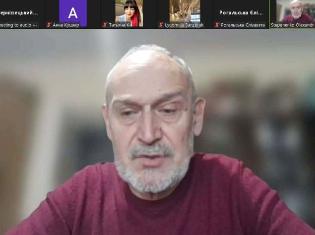
Учасники кінопоказу
Олександр Степаненко - координатор Мандрівного кінофестивалю Докудейс UA
Фільм створює колективний портрет травми, водночас відкриваючи простір для відновлення. Через силу солідарності жінок, які стоять пліч-о-пліч, фільм пропонує глибоке осмислення можливості надії посеред руйнівних слідів війни. Студенти поділилися своїми відгуками.
Ольга Захарчук:
I watched the documentary Traces, and it made a strong impression on me. The film is about Ukrainian women who experienced violence and torture during the war. They share their personal stories and talk about how these experiences changed their lives. The film also shows how they try to move forward and find justice. For me, the most important part of the film was the stories of the women themselves. It was difficult to watch some parts because their experiences were very painful and emotional. I think the film shows the reality of war in a very honest way. It is not only about battles or destruction, but also about people and the problems they have to live with after terrible events. I was especially impressed by the strength of the women in the film. Even though they went through very difficult situations, they did not give up. They support each other and try to help other people who have had similar experiences. I think this shows how important support and communication can be when a person is going through something traumatic. Another thing that made me think was the way the film shows the difference between news reports and real human stories. We often see information about the war on social media or on television, but sometimes we forget that behind every number there is a real person. Traces helps the viewer understand this better and makes the events feel more personal. The film was not easy for me to watch, but I think this is also why it is important. Some stories can be uncomfortable or difficult to hear, but they should not be ignored. People who experienced violence deserve to be heard and supported, and their stories should be remembered. Overall, I think Traces is a very important and emotional documentary. It made me think about the consequences of war and about how much people can suffer because of it. At the same time, the film shows that people can be strong even after very painful experiences. I am glad I watched it because it helped me understand the human side of the war better.
Каріна Залещик:
To be honest, I didn’t expect the film to deal with such a heavy subject, and at first I was sceptical about the suggestion to watch it. But after reading the description below the film, I realised that something was amiss. It felt as though the film lasted not an hour and a half, but a full three hours – that’s how difficult it was for me to watch. The picturesque landscapes and close-ups of flowers in the women’s gardens only served to heighten the film’s already sombre atmosphere. For the first 10–15 minutes or so, I was convinced that the narrative about such crimes would be led by young women, but when I saw women aged between 50 and 76 on screen, a single thought began to spin round and round in my head: “My God, how, how can anyone be such heartless bastards?” So, the film made a strong impression on me and left me with a heavy feeling inside. The long, silent scenes, shots of landscapes, nature and the daily routines of the women who’d suffered were skilfully woven into the backdrop of these horrific stories; yet I found myself smiling at the realisation of just how strong the community within the organisation is, how supportive everyone there is, and how you can genuinely sense that they truly care about one another and about what they’re doing. And the results of the organisation’s work, shown at the end, gave me a glimmer of hope that evil can indeed be punished; all it takes is to become a beacon of hope in someone’s dark tunnel of endless torment, to guide them towards it and to shout through every possible channel so that they are not forgotten, so that they do not become just another one-off column in the newspaper of the average European.
Лілія Шаправська:
When I watched the documentary Traces, it honestly left a huge impression on me. The film focuses on Ukrainian women who survived violence and torture during the war, sharing their personal stories and showing how they try to move forward and fight for justice. In my opinion, it is one of the most honest and necessary films about the human cost of war that I have seen. What touched me the most was listening to the women themselves. I found some parts really difficult to watch because their pain felt so real, but I think that is exactly why their stories matter. To me, the film proves that war isn't just about statistics or military strategies like some uninvolved people often believe. It's about real people whose lives are altered forever. I really appreciate how the documentary bridges the gap between cold news reports and human reality. We see numbers on social media every day, but this film shows that behind every single number, there is an individual voice. I was particularly amazed by the strength of these women. Even after going through unimaginable trauma, they didn't give up. Instead, they support each other and advocate for justice, which really shows how powerful solidarity and empathy can be when someone is trying to heal. In my view, this documentary should definitely be shown to a wider audience, especially to international viewers. People abroad often see the war through headlines, but Traces provides the vital context of what war and torture actually mean on a deeply personal level. I believe it is crucial for foreigners to watch this to truly understand the painful reality Ukrainians face every day. At last, Traces was definitely not an easy watch, but I am really glad I took the time to view it. I believe it's crucial not to turn away from uncomfortable truths. These women deserve to be heard, and their stories need to be remembered.
До нових зустрічей у нашому Кіноклубі!
Наталія Пасічник, Наталія Закордонець, Галина Краса