Студенти ТНПУ ім.В.Гнатюка
та ЧНУ ім.Ю.Федьковича взяли участь
у Мандрівному кінофестивалі Docudays UA
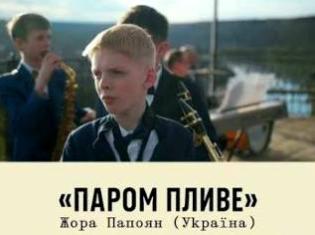
13 листопада за участі Кіноклубу медіапросвіти з прав людини Docudays UA при Тернопільському національному педагогічному університеті ім.В.Гнатюка, кафедри теорії і практики перекладу, кафедри іноземних мов, кафедри романо-германської філології та професійної комунікації відбувся кінопоказ українського документального фільму режисера Жори Папояна «Пором пливе» у рамках Мандрівного кінофестивалю Docudays UA.
Фільм розповідає про Назарія — сивочолого учителя музики з маленького, але мальовничого українського містечка Заліщики, який готує свій невеликий духовий ансамбль до весняного концерту з композицією «Намалюй мені ніч». Похоронні марші, що все частіше лунають у місті, перетворюють його на військового диригента. Той самий пором, що перевозить заліщан через Дністер, тепер курсує ніч за ніччю.
Координатор Мандрівного кінофестивалю Олександр Степаненко
Відбулася також зустріч із режисером Жорою Папояном. Митець народився у Маріуполі. Випускник програми за обміном FLEX 2018–2019 (Чарлстон, Західна Вірджинія); член стипендіальної програми ELIA UAx Abakanowicz (2023 — зараз). У 2024 році отримав диплом Національної академії мистецтв. Працював як другий режисер, сценарист і режисер монтажу в студії «КіноАртіль» (2024–2025). Учасник та лауреат кінофестивалів: ОМКФ, ЛІФТ, Doc Kyiv Fest та ін.
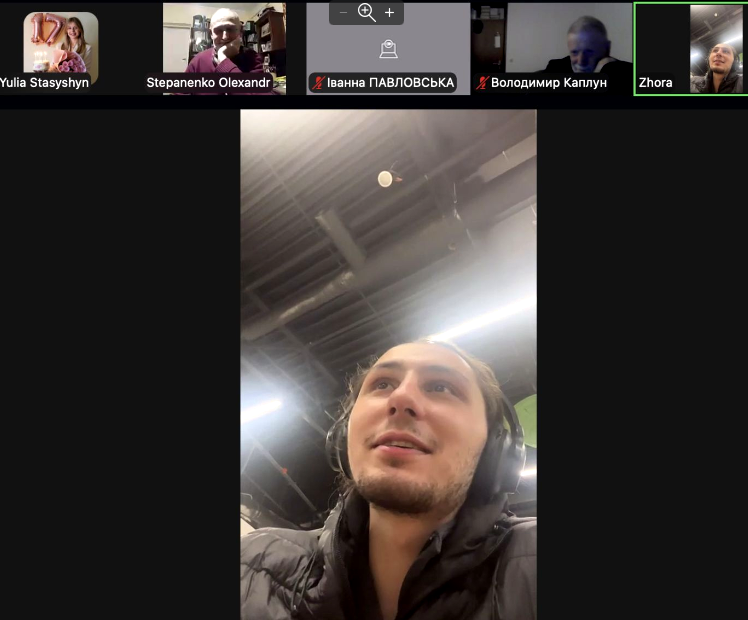
Режисер Жора Папоян
Студенти не лише поділилися враженнями, а й розглянули фільм у науковому перекладознавчому контексті.
Панькевич Юлія, студентка групи АУП-47 зазначила:
«Під час перекладу фільму важливо не лише точно передати зміст оригіналу, а й зберегти його культурну специфіку, художню виразність та емоційний вплив на глядача. З огляду на сюжет і тематику фільму можна виокремити три основні перекладознавчі проблеми, які можуть виникнути під час його відтворення англійською мовою. Окрему складність становить відтворення українських географічних назв, місцевих реалій та культурно забарвлених понять. Наприклад, назви міста Заліщики та річки Дністер, а також слово «заліщани» можуть бути незнайомими англомовній аудиторії. Тому перекладачеві важливо правильно передати ці одиниці, зберігши їхню автентичність і водночас забезпечивши зрозумілість для іноземного глядача. Окрему складність може становити переклад музичних понять, зокрема «духовий ансамбль», «похоронний марш», «військовий диригент». Перекладач має враховувати контекст і використовувати відповідні англомовні терміни. Крім того, назва композиції «Намалюй мені ніч» потребує особливої уваги, оскільки важливо зберегти не лише її зміст, а й поетичність та образність. Ще однією важливою проблемою є відтворення емоційного навантаження окремих висловлювань і символічних образів. У фільмі протиставляються мирне повсякденне життя та реалії війни: музика, яка спочатку асоціюється з підготовкою до весняного концерту, набуває нового значення через звучання похоронних маршів. Особливого символізму набуває й образ порома, який курсує ніч за ніччю. Під час перекладу важливо зберегти цей контраст, атмосферу та емоційний вплив оригіналу, не втративши його глибинного змісту.
Ольга Захарчук:
I watched the documentary film The Ferry Is Sailing, and it left a strong impression on me. It is a short film, but it tells a very emotional and important story. The film is about Nazarii, a music teacher from Zalishchyky, and his students who play in a brass band. At first, their life seems quite ordinary. They learn music, practice together and prepare for performances. But because of the war, music becomes connected with something much more serious and sad. The thing that impressed me the most was the way the film shows the influence of the war on ordinary people. There are no long scenes of fighting or explosions. Instead, we see how the war changes everyday life. Nazarii continues to teach music, but his students and his music are now connected with funerals of people who died in the war. I think this contrast makes the film very emotional. For me, music is usually something positive. People listen to music when they are happy, celebrate important events or simply want to relax. In this film, however, music also becomes a way to say goodbye to people. This made me think about how the meaning of something as simple as music can change because of the war. I also liked the main character because he continues doing his job despite everything that is happening around him. He teaches young people and helps them stay interested in music. I think this is very important because children and young people also need something that gives them hope and helps them feel normal during such a difficult time. The film also made me think about the people who have lost their loved ones because of the war. We often hear about numbers and statistics, but behind every person who dies there is a family, friends and people who remember them. The music in the film helps show this pain without using many words. Another thing I liked about the documentary is that it feels very real. The story is simple, but that is what makes it powerful. The filmmakers show the lives of ordinary people instead of trying to make the film too dramatic. Because of this, I could understand the emotions of the characters better. While watching the film, I felt sad, especially when I understood that the musicians sometimes have to play at funerals. At the same time, I also felt hopeful. Even during the war, people continue to work, teach, learn and support each other. They try to keep doing the things they love, and I think this shows their strength.In my opinion, the main message of The Ferry Is Sailing is that people should not lose their humanity and hope, even during very difficult times. Music cannot stop the war, but it can bring people together, help them express their feelings and keep memories alive. Overall, I think The Ferry Is Sailing is a very touching and meaningful documentary. It made me think about the war from a different point of view. I would recommend this film because it is not only about music. It is also about people, loss, hope and the importance of continuing to live and support each other.
Таїсія Акопджанян:
I’d like to say that I really enjoyed this film. As someone who is quite passionate about music and has had a relationship with it throughout my life, I found it particularly interesting to follow the story of a musician and see how his life and work are affected by the circumstances around him. I absolutely loved the editing and the overall atmosphere of the film. Everything felt beautifully put together, and I think the way the director captured the musician’s everyday life and experiences made the story especially engaging. I also found the contrast between music as something beautiful and peaceful and the difficult reality surrounding the town quite moving. It was interesting to see how music, which is usually associated with joy and creativity, can take on a completely different meaning in such challenging circumstances. I’m really glad I had the opportunity to watch this film. It left me with a lot to think about, and I think it is a beautiful and meaningful portrayal of the connection between music, everyday life and the reality people have to face.
До нових зустрічей у нашому Кіноклубі!
Наталія Пасічник, Наталія Закордонець,
Галина Краса, Людмила Загородня,
Олександр Сорочан, Ірина Беженар, Анна Косенко